સ્વામિનારાયણ સંપ્રદાય
સંપ્રદાયનું ઉદ્ભવ
સ્વામિનારાયણ સંપ્રદાય (પંથ), જે અગાઉ ઉદ્ધવ સંપ્રદાય તરીકે ઓળખાતો હતો, તેની સ્થાપના પરમ પૂજ્ય સદગુરુ શ્રી રામાનંદ સ્વામી દ્વારા કરવામાં આવી હતી. રામાનંદ સ્વામીને ઉદ્ધવ (ભગવાન શ્રીકૃષ્ણના પ્રિય મિત્ર અને શિષ્ય) ના અવતાર માનવામાં આવતા હતા, જેમના નામ પરથી 1700 ના દાયકાના અંતમાં ઉદ્ધવ સંપ્રદાયનો પ્રારંભ તથા વિકાસ થયો હતો. રામાનંદ સ્વામીને સૌપ્રથમ સૌરાષ્ટ્ર વિસ્તારમાં આત્માનંદ સ્વામી દ્વારા દીક્ષા આપવામાં આવી હતી, જોકે આત્માનંદ સ્વામીની નિરાકાર બ્રહ્મવાળી માન્યતાને કારણે, રામાનંદ સ્વામીએ એવા ઉપદેશકની શોધ ચાલુ રાખી જે તેમની સાચા આધ્યાત્મિક જ્ઞાનની તરસ છિપાવી શકે.
શ્રીરંગ ક્ષેત્ર (અત્યારે શ્રીરંગમ, તમિલનાડુ, ભારત) માં રહીને, રામાનંદ સ્વામીએ વિશિષ્ટાદ્વૈત મતના મુખ્ય પ્રણેતા શ્રી રામાનુજાચાર્ય (1107-1137 CE) ના ગ્રંથોનો અભ્યાસ કર્યો. સમાધિ દરમ્યાન, તેમને એક દિવ્ય અનુભૂતિ થઈ જેમાં શ્રી રામાનુજાચાર્યએ તેમને પોતાની પરંપરાના આચાર્ય તરીકે દીક્ષા આપી. આ જ્ઞાન પ્રાપ્ત કર્યા પછી સ્વામી વૃંદાવન ગયા જ્યાં તેમને ભગવાન શ્રીકૃષ્ણના ભવ્ય દર્શન થયા, ત્યારબાદ તેઓ જ્ઞાનનો પ્રસાર કરવા સૌરાષ્ટ્ર પાછા ફર્યા.
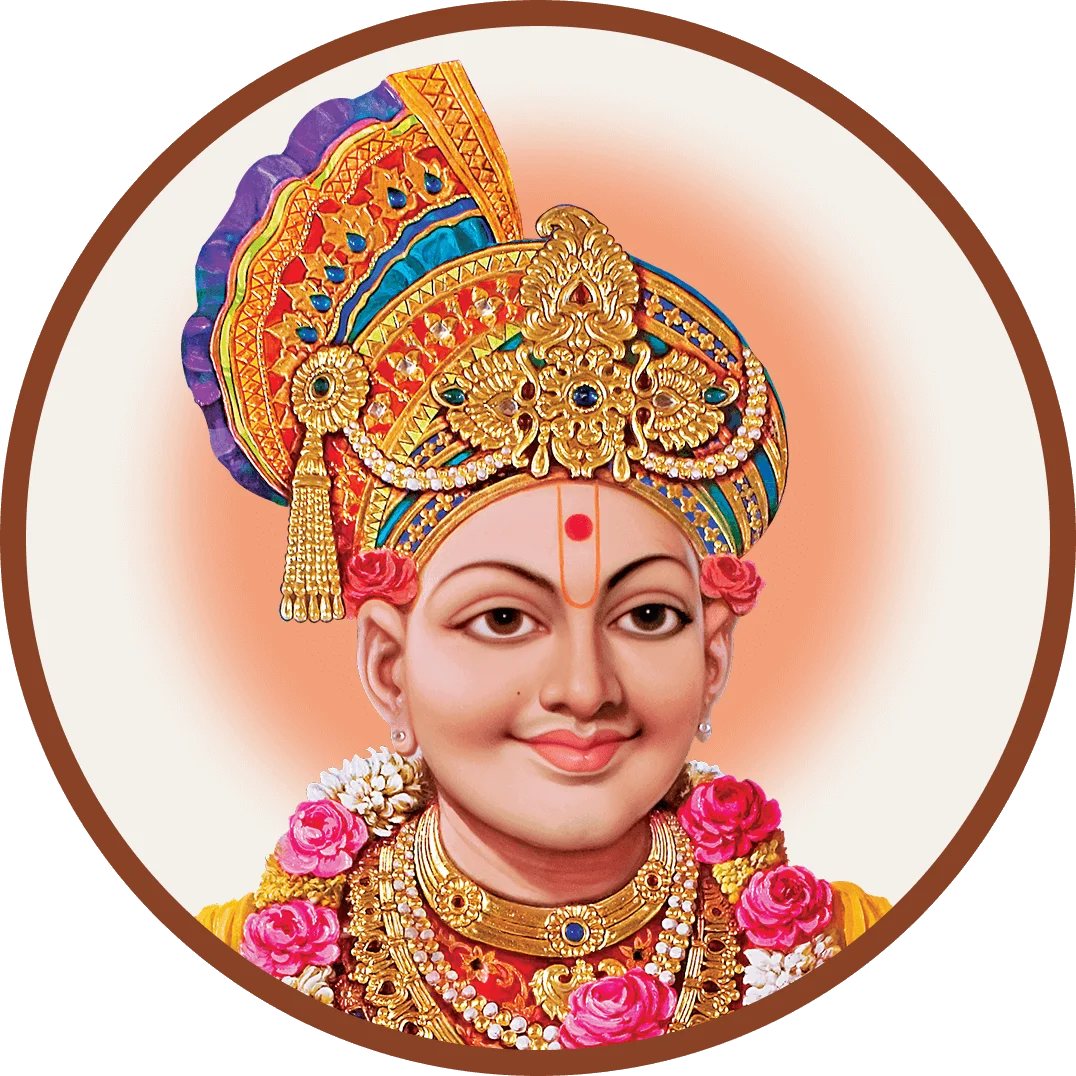
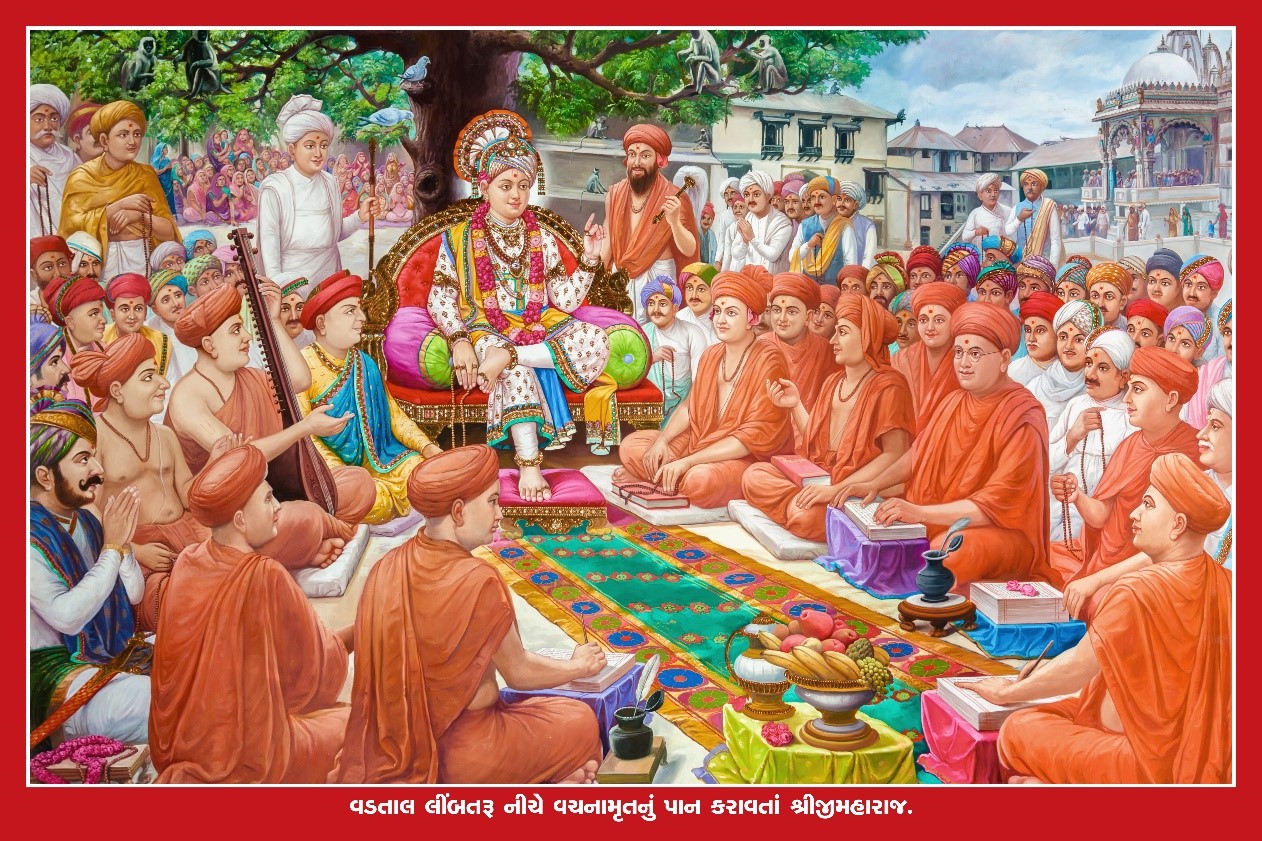
વર્ષો પછી, શ્રી સ્વામિનારાયણ ભગવાન નીલકંઠ વર્ણી તરીકે શ્રી રામાનંદ સ્વામી પાસે આવ્યા. તેમણે 20 ઓક્ટોબર, 1800 ના રોજ નીલકંઠ વર્ણીને મહાદીક્ષા (સંત તરીકેની દીક્ષા) આપી અને તેમનું નામ સહજાનંદ સ્વામી રાખ્યું. શ્રી રામાનંદ સ્વામીએ ધામગમન પૂર્વે તેમણે પોતાની ધાર્મિક ગાદી શ્રી સ્વામિનારાયણ ભગવાનને સોંપી, ત્યારબાદ ઉદ્ધવ સંપ્રદાયને સ્વામિનારાયણ સંપ્રદાય તરીકે ઓળખવામાં આવ્યો.
સંપ્રદાય
વિશિષ્ટાદ્વૈત મત
શ્રી સહજાનંદ સ્વામીએ પણ વિશિષ્ટાદ્વૈત મતને સ્વામિનારાયણ સંપ્રદાયની મુખ્ય વિચારધારા તરીકે સ્વીકારી હતી. દરેક હિન્દુ મત વૈદિક ગ્રંથોના ઉપદેશો અને અર્થઘટન પર આધારિત છે. આમાં, વેદાંતના 5 પેટા વિભાગોને મુખ્ય માનવામાં આવે છે; જેમાંથી એક વિશિષ્ટાદ્વૈત (વિશિષ્ટ અદ્વૈતવાદ) છે. આ વિચારધારા જણાવે છે કે ત્રણ મૂળ વાસ્તવિકતાઓ છે, જીવ (આત્માઓ), ઈશ્વર (પરમાત્મા) અને માયા (પદાર્થ). આ વિચારધારાને સ્વીકારીને સ્વામિનારાયણ ભગવાને આ તત્વોના 5 વિભાગો પ્રગટ કર્યા:
જીવ
માયા દ્વારા મોહિત થયેલો આત્મા.
ઈશ્વર
તે આત્માઓ જેઓ માત્ર તેમના સંબંધિત બ્રહ્માંડ માટે સર્વજ્ઞ, સર્વવ્યાપી અને સર્વશક્તિમાન છે.
માયા
ભગવાનની અજ્ઞાનરૂપી શાશ્વત શક્તિ જે તેના 3 ગુણો, સત્વ, રજસ અને તમસ દ્વારા 24 તત્વોનું નિર્માણ કરે છે.
બ્રહ્મ
આત્માનું શુદ્ધ, અપરિવર્તનશીલ અને સીમારહિત સ્વરૂપ જેણે અંતિમ મુક્તિ પ્રાપ્ત કરી છે.
પરબ્રહ્મ
એક અને માત્ર એક પુરુષોત્તમ નારાયણ પોતે, જે સર્વના નિયંત્રક છે, અને જેમનાથી ચડિયાતું કોઈ નથી.
નિષ્કર્ષ
આમ, શ્રી રામાનુજાચાર્ય દ્વારા પ્રસ્થાપિત વિશિષ્ટાદ્વૈત મતને સ્વીકારીને, શ્રી સ્વામિનારાયણ ભગવાને તેમાં સ્પષ્ટ તફાવતો ઉમેર્યા અને સૌ માટે અનુસરવા યોગ્ય એક નિશ્ચિત મત (વિશિષ્ટાદ્વૈત) ને પ્રોત્સાહન આપ્યું.