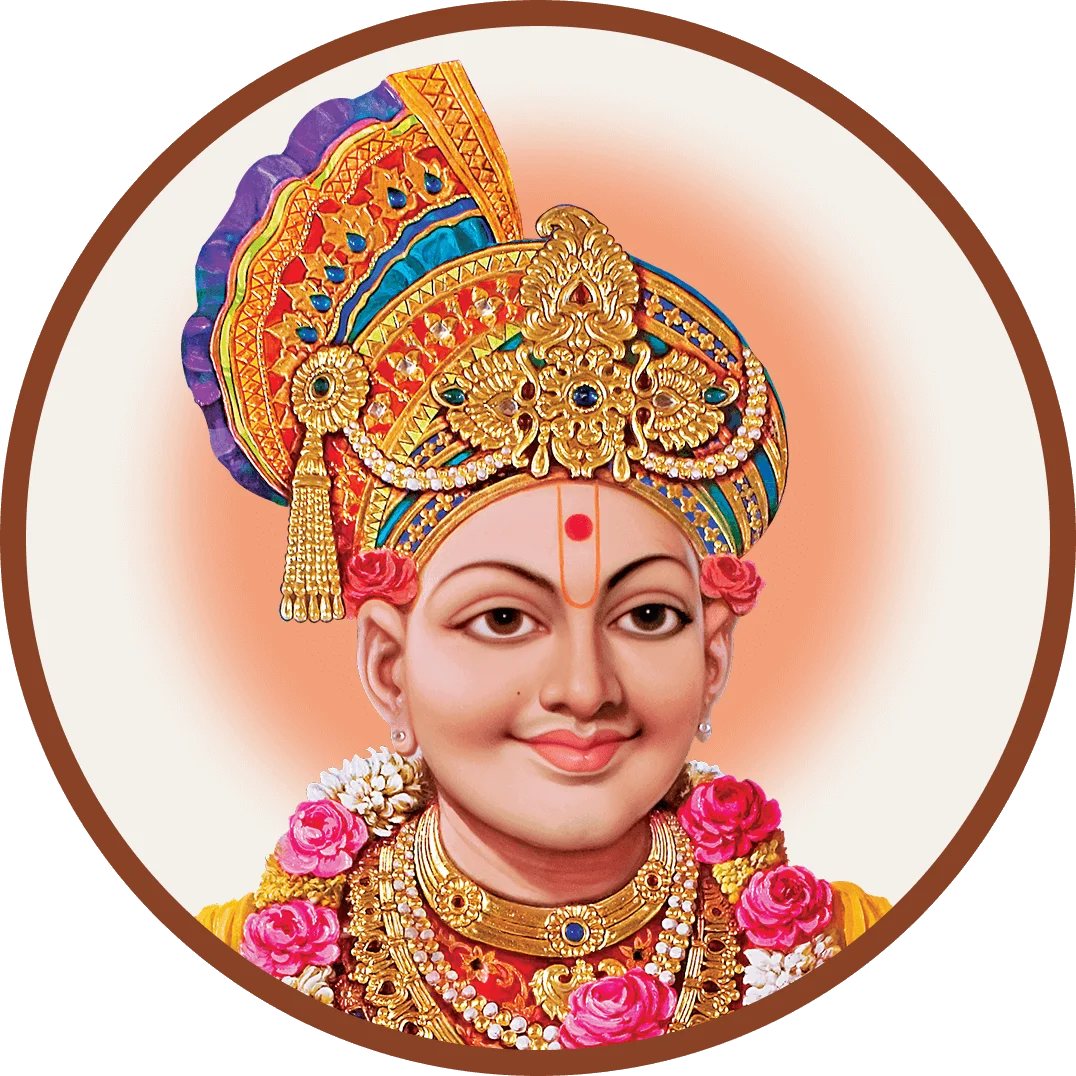
સર્વોપરી અવતાર (ઈ.સ. ૧૭૮૧–૧૮૩૦)
આધ્યાત્મિક સંતોષ શોધનારાઓથી ભરેલી આ દુનિયામાં, અસંખ્ય ધર્મો અને દેવતાઓની તેમના સંબંધિત ભક્તો દ્વારા પૂજા કરવામાં આવે છે. એવું કહેવાય છે કે માત્ર હિન્દુ ધર્મમાં જ અંદાજે ૩૩ કરોડ દેવતાઓ છે, જેમાંના દરેક પાસે શ્રદ્ધાળુ શિષ્યોનો વિશાળ સમુદાય છે. આટલી મોટી આધ્યાત્મિકતા હોવા છતાં, દુષ્ટ વ્યક્તિઓ દ્વારા કરવામાં આવતા ભ્રષ્ટાચાર અને અશુદ્ધિએ માનવજાતના ઇતિહાસમાં ધાર્મિક પૂજાને સતત પીડિત કરી છે. જોકે, ઈ.સ. ૧૭૮૧ માં, ભક્તો અકલ્પનીય રીતે ધન્ય થયા. સર્વોપરી સ્વામિનારાયણ ભગવાન અધર્મને નાબૂદ કરવા અને પોતાના ભક્તોને આનંદ આપવા માટે આખરે પૃથ્વી પર પધાર્યા હતા.
માનવ ઇતિહાસમાં ઘણી વખત, અનિષ્ટ સમયાંતરે વ્યાપક બને છે જે સારા અને સૈદ્ધાંતિક લોકોના કલ્યાણ માટે જોખમરૂપ બને છે અને તેથી જ ભક્તોને સહાય કરવાં અને આ જોખમોને દૂર કરવા માટે, સ્વામિનારાયણ ભગવાને વિવિધ ક્ષમતાઓમાં અનંતવાર અવતાર ધારણ કર્યા છે. શ્રદ્ધાળુ ભક્તોને સહાય કરવા માટે સ્વામિનારાયણ ભગવાને અનેક સ્વરૂપો અને ઓળખ ધારણ કરી છે. જોકે, તેઓ ૩ એપ્રિલ, ૧૭૮૧ સુધી ક્યારેય તેમના મૂળ, અપરિવર્તિત સ્વરૂપમાં પૃથ્વી પર આવ્યા નહોતા.
શંકાશીલ લોકો આ સત્યોની માન્યતા પર સવાલ ઉઠાવી શકે છે અને સ્વામિનારાયણ ભગવાનની સર્વોપરિતા પર શંકા કરીશકે છે. જોકે, સ્વામિનારાયણ ભગવાનનાં આગમન પહેલાં જ, સૌથી પ્રાચીન અને આદરણીય વૈદિક શાસ્ત્રોએ તેમના આગમનની ભવિષ્યવાણી કરી હતી. વ્યાસ ભગવાન દ્વારા સંકલિત સ્કંદ પુરાણ ભવિષ્યવાણી કરે છે કે સ્વામિનારાયણ ભગવાન કળિયુગ દરમિયાન, બુદ્ધ અને કલ્કીના અવતારોની વચ્ચે ધર્મ અને તેનું પાલન કરનારાઓની રક્ષા કરવા માટે આ પૃથ્વી પર આવશે. વાસુદેવ માહાત્મ્ય શાસ્ત્રમાં વર્ણન કરવામાં આવ્યું છે કે દુર્વાસા ઋષિ દ્વારા શાપિત થયા પછી તેઓ ધર્મ અને ભક્તિના ઘરે બ્રાહ્મણ તરીકે જન્મ લેશે અને તેમને નારાયણ મુનિ નામ આપવામાં આવશે. વૈદિક સંપ્રદાય તરીકે સ્વામિનારાયણ પંથની માન્યતાના સમાન સંદર્ભો, બ્રહ્માંડ પુરાણ, પદ્મ પુરાણ અને વિષ્ણુધર્મોત્તર પુરાણમાં પણ જોવા મળે છે.
मया कृष्णेन निहताः साङर्जुनेन रणेषु ये |
प्रवर्तयिष्यन्त्यसुरांस्ते त्वधर्म यदा क्षितौ |४२|
धर्मदेवात् तदा मूर्तौ नरनारायणात्मना |
प्रवृत्तेङपि कलौ ब्रह्मन् भूत्वाहं सामगो द्विजः |४३|
मुनिशापान्नृतां प्राप्तं सर्षिं जनकमात्मनः |
ततोङविता गुरुभ्योङहं सद्धर्मं स्थापयन्नज |४४|
Maya Krushnen nihataaha Saarjunen raneshu ye|
Pravartyishyantya suraanste tva-dharm yadaa kshitau |42|
Dharmadevaat tadaa murtau Nar-Narayanaatmana|
Pravruttepi kalau brahman bhutvaaham saamago dwijah |43|
Munisha-paanrutam praptam sarshim janakmatmanaham|
Tato-vitaa gurubhyo-aham saddharmam sthaapayannaj |44|
અર્જુન અને મેં (કૃષ્ણ) દુષ્ટ રાક્ષસોનો પરાજય કર્યો છે, અને જો તેઓ મને જોઈને અથવા મારા હાથે મૃત્યુ પામ્યા હોય તો મેં તેમને મોક્ષ આપ્યો છે. જેઓ પોતાનાં હૃદયમાં દુષ્ટ હેતુ સાથે મૃત્યુ પામ્યા છે તેવા રાક્ષસો કળિયુગમાં જન્મ લેશે અને હાહાકાર મચાવશે. તે સમયે, નર-નારાયણને દુર્વાસાના શાપ પછી, હું કળિયુગમાં સામવેદી બ્રાહ્મણ તરીકે જન્મ લઈશ. હું તમામ અનિષ્ટોનો નાશ કરીશ અને તમામ ઋષિઓ, મારી માતા ભક્તિ અને મારા પિતા ધર્મનું રક્ષણ કરીને સદ્ધર્મની સ્થાપના કરીશ.
दत्तात्रेयः कृतयुगे त्रेतायां रघुनन्दनः |
द्वापरे वासुदेवः स्यात् कलौ स्वामी वृषात्मजः ||
Dattaatreyah kruta-yuge, tretaayam Raghunandanah|
Dwaapare Vasudevah syaat kalau Swami Vrushaat-majah ||
સતયુગમાં હું દત્તાત્રેય તરીકે જન્મીશ અને ત્રેતાયુગમાં હું રામ હોઈશ. દ્વાપરયુગ દરમિયાન હું કૃષ્ણ હોઈશ અને કળિયુગમાં હું સ્વામિનારાયણ ભગવાન તરીકે જન્મીશ અને ઓળખાઈશ.
पाखंडे बहुले लोके स्वामिनाम्ना हरिः स्वयम् |
पापपङ्कनिमग्नं तज्जगदुध्धारयिष्यति ||
Paakhande bahule loke, Swami-naamna Hari-h-swayam |
Paapaknimagnam taj-jaga-dudhdhaarayishyati ||
જ્યારે પૃથ્વી પર ધર્મના છૂપા વેશમાં છેતરપિંડી વ્યાપક બનશે, ત્યારે હરિ પોતે 'સ્વામી' નામથી જન્મ લેશે અને લોકોને પાપમાંથી મુક્ત કરશે.
भूम्यां कृतावतारोङयं सर्वानेताञ्जनानहम् |
प्रापयिष्यामि वैकुंठं सहजानन्दनामतः ||
Bhumyaam krutaavataroyam, sarvaanetaajna naham |
Praapishyaami Vaikuntham Sahajanand naam-tah ||
હું સહજાનંદ સ્વામીના નામે જન્મ લઈશ અને મારા ભક્તોને મારા દિવ્ય ધામ વૈકુંઠ તરફ માર્ગદર્શન આપીશ.
महाधर्मान्वये पुण्ये नाम्ना पापविनाशके |
हरिप्रसादविप्रस्य स्वामिनाम्ना हरिः स्वयम् ||
Mahaadharmaanvaye punye naamnaa paap-vinaashake |
Hariprasad viprasya Swami naamna Hari swayam ||
મારું નામ જપવાથી તમામ પાપ અને દુષ્કર્મ નષ્ટ થઈ જશે. હરિ પોતે બ્રાહ્મણ હરિપ્રસાદ પાંડેના ઘરે જન્મ લેશે.
કદાચ સ્વામિનારાયણ ભગવાનની સર્વોપરિતાનો સૌથી મોટો પુરાવો આ પૃથ્વી પરના તેમના ૪૯ ટૂંકા વર્ષો દરમિયાન સ્વામિનારાયણ ભગવાને પ્રાપ્ત કરેલી નોંધપાત્ર સિદ્ધિઓ છે. તેમણે તેમના બાળપણમાં દરરોજ ચમત્કારો કર્યા, ૧૧ વર્ષની નાની ઉંમરે ભૌતિક સુખોનો ત્યાગ કર્યો, અને ભારતભરની તેમની ૭ વર્ષની મુસાફરી દરમિયાન કુદરત અને અનિષ્ટની ભયંકર મુશ્કેલીઓ સહન કરી. વધારામાં, તેમણે યોગિક સિદ્ધાંતો અને સર્વોચ્ચ આધ્યાત્મિક ઊંચાઈઓ એવી રીતે પ્રાપ્ત કરી જે અગાઉ ક્યારેય કોઇને હાંસલ થઈ નહોતી. પોતાની સર્વોચ્ચ શક્તિનો ઉપયોગ કર્યા વિના અને હિંસાનો આશરો લીધા વિના ૨૦ વર્ષની ઉંમર પહેલાં આ સિદ્ધિઓ હાંસલ કરવી એ તેમની સર્વોપરિતાનો પૂરતો પુરાવો છે. પછીના ત્રણ દાયકાઓમાં, સ્વામિનારાયણ ભગવાને વ્યવસ્થિત રીતે એક મજબૂત સંપ્રદાયની સ્થાપના કરી જે તેમના વહાલા સંતો અને ભક્તો માટે સુરક્ષિત આશ્રયસ્થાન તરીકે કામ કરે છે, અને સદ્ધર્મ અને ભક્તિના પ્રસારને સક્ષમ બનાવે છે. તેમણે દિવ્ય અને જટિલ પ્રવચનો આપ્યા જે મહાન પવિત્ર ગ્રંથ વચનામૃતમાં સંકલિત કરવામાં આવ્યા છે અને ૨૧૨ આજ્ઞાઓનો પત્ર (શિક્ષાપત્રી) લખ્યો જે તેમના ભક્તોને અક્ષરધામના દિવ્ય સુખ તરફ માર્ગદર્શન આપે છે. સ્વામિનારાયણ ભગવાન દ્વારા કરવામાં આવેલ દરેક વિચાર અને કાર્ય તેમના વર્તમાન અને ભવિષ્યના ભક્તોના કલ્યાણ માટે રચાયેલ હતું. એવા સ્વામિનારાયણ ભગવાન સર્વોપરી, સર્વશક્તિમાન, નમ્ર અને સૌથી વધુ દયાળુ છે.
નીચે ભગવાન સ્વામિનારાયણના જીવનના મહત્વના પ્રસંગો વિક્રમ સંવત (વિ.સં.) અનુસાર આપ્યા છે — જે તિથિ-પંચાંગ પ્રણાલી સંપ્રદાયમાં પરંપરાગત રીતે અનુસરવામાં આવે છે.